
The short answer: the failed part and the boiler's age drive the cost
A repair that replaces a thermostat, a circulator or a pressure relief valve is a modest job. A cracked heat exchanger or a failed control board on an old boiler is another matter. The plumber diagnoses first, names the part and explains whether repair makes sense. We do not print dollar amounts, because parts and models vary.
Time of day also matters. A no-heat call at 2 a.m. in January costs more to staff than a scheduled visit in October, and the dispatcher can explain how timing applies. Planning a fall service visit is the cheapest way to avoid the emergency.
Common repairs and what influences their price
The parts differ, and so does the labor.
| Repair | What influences cost | Notes |
|---|---|---|
| Thermostat or zone valve | Part type and access | Usually a short job |
| Circulator pump | Size, flanges, whether the old one is seized | Often a same-visit repair |
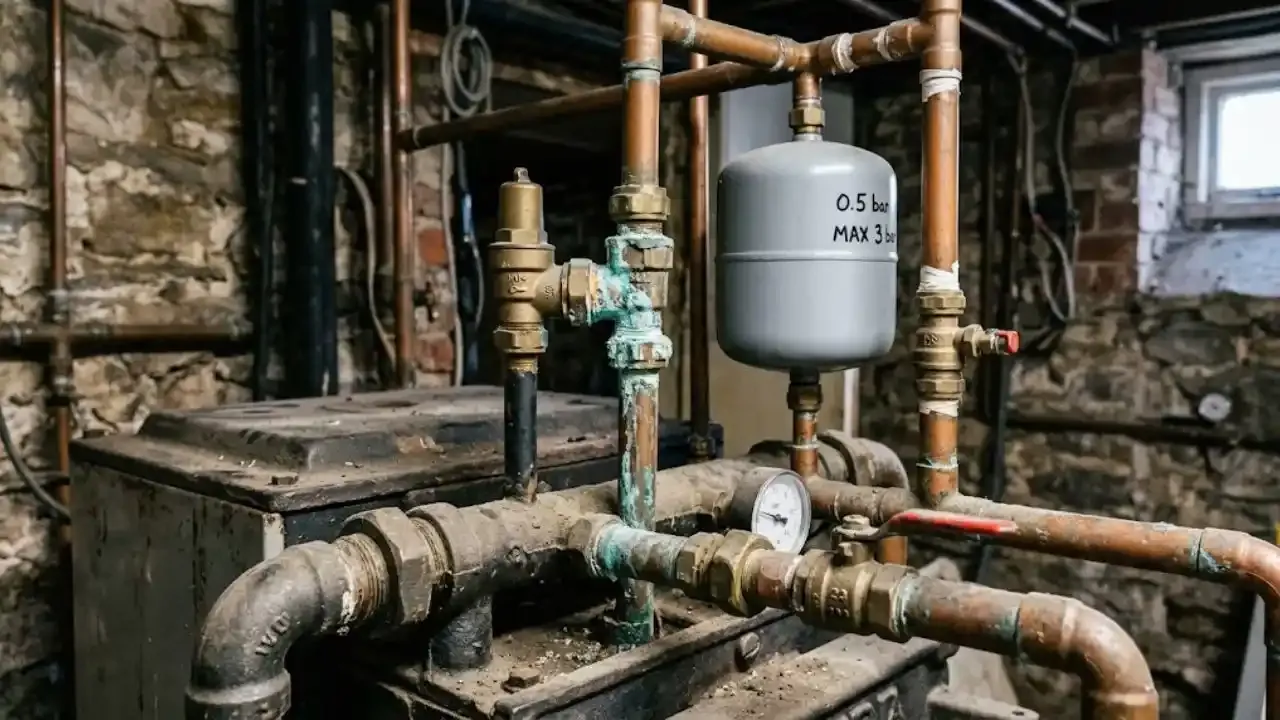
| Expansion tank | Size, location, draining the system | Common cause of pressure faults |
| Control board or igniter | Brand and model availability | May need a second visit if the part is not on the truck |
| Heat exchanger | Boiler age and design | Often tips the decision toward replacement |
| Leak repair | Where the leak is, corrosion | May reveal wider pipe problems |
Boiler acting up?
Call before it fails in a cold snap.
Repair or replace: how the decision works
A boiler that is old, repeatedly failing and expensive to repair is a candidate for replacement. A boiler with a single failed part and a sound heat exchanger is worth repairing. The plumber gives you both numbers so you can compare, and you decide.
The age is on the data plate, and the manufacturer can decode it from the serial number. If the unit is near the end of the usual range for its type and the repair is substantial, replacing it may cost less over time than repairing it twice.
Cut repair costs with simple habits
These habits reduce the odds of an emergency visit.
- Service it every fall. A cleaning and inspection find weak parts before they fail.
- Bleed radiators. Air in the system causes cold spots and noise.
- Watch the pressure gauge. Note the normal reading, and call if it drifts.
- Keep the boiler room clear. Access matters for both safety and service time.
What the plumber handles and what they do not
We handle the plumbing side of hydronic systems, such as leaks, pressure, expansion tanks, circulators and zone valves. Oil burner service and furnace repair are separate trades. Tell the dispatcher what the boiler uses, and the plumber will say plainly whether the job is ours.
How the plumber narrows down a no-heat call
The first checks are simple. Is the thermostat set to heat, does the boiler have power, is the fuel valve open and does the pressure gauge read in the normal range. Many service calls end at one of those items. After that, the plumber listens for the circulator, checks the zone valves and looks at the control board for error codes.
Each step eliminates a cause. A boiler that fires but does not heat the house points to circulation or air. A boiler that will not fire points to power, fuel or ignition. A boiler that fires and shuts off points to a limit switch, a flue problem or low water. Diagnosis takes time, and good diagnosis saves parts.
What a maintenance visit covers
A fall service visit usually includes cleaning the burner or heat exchanger, checking controls and safety devices, testing the pressure and the expansion tank, and looking for leaks and corrosion. It also confirms that the flue is intact and unobstructed.
The visit is the time to ask about the boiler's age, its condition and what repairs are likely in the next few seasons. A plumber who knows your boiler can warn you before a failure, and that is worth more than any discount on an emergency call.
Questions to ask before approving a boiler repair
Ask what failed and why, and ask to see the part if it is easy to remove. Ask whether the repair addresses the cause or only the symptom. A circulator that burned out because of air in the lines will fail again unless the air is cleared.
Ask what else the plumber noticed. A visit is the time to hear about a weeping valve, a rusty fitting or an aging expansion tank. Ask about warranty on the part and on the labor, and ask what the plumber would watch for over the next season.
Fuel, efficiency and the repair decision
Whether your boiler burns oil or gas, its age affects both repair odds and running costs. An older unit may run at lower efficiency than a current model, so each season of fuel costs more. That does not make replacement automatic, but it belongs in the decision.
Keep the service records. A boiler with a documented history is easier to judge, and a buyer will ask for them.
Derry notes about heating season
Derry's code enforcement office at 603-432-6148 can tell you whether a boiler replacement needs a permit or inspection. Inspections need 24 hours' notice, which matters in a cold snap.
Rockingham County recorded an ice storm declaration on January 7, 1998, and a winter storm declaration on December 11, 2008, according to the regional planning commission. Power outages in storms like those can stop circulators and leave pipes at risk, so plan for heat and for pipe protection.
Sources: derrynh.gov code enforcement. Rockingham Planning Commission regional plan hazard history.
Next steps
See our boiler repair page for the emergency route. If heat loss has frozen a pipe, read about burst pipe repair. We serve Londonderry and Chester as well.
Frequently asked questions
It depends on the failed part and the boiler's condition. A cracked heat exchanger usually tips the decision toward replacement.
A leak or a failed expansion tank is the usual cause. The plumber finds the source.
We cover the plumbing side. Burner service belongs to a heating contractor, and we will say so.
Early fall, before the first cold snap. It costs less than a no-heat call in January.
They can. Call code enforcement at 603-432-6148 to confirm.
Heat back, with a clear price first
Call for boiler repair in Derry.