
The short answer: repair rings fix many flanges, rot and rust fix few
The toilet flange is the ring on the floor that holds the toilet bolts and connects the bowl to the drain. On older cast iron systems, the flange may be cast iron or a brass ring on lead. Rust, cracked ears and a flange set too low are the usual problems.
If the flange is still firmly attached to the drain and the damage is limited to the ears, a stainless repair ring often fixes it. If the flange is loose from the pipe, the floor is rotted or the drain is cracked, the repair is bigger and the plumber must open the floor.
Flange problems and the usual fix
Diagnosis starts with lifting the toilet.
| Problem | What you see | Typical fix |
|---|---|---|
| Broken ears | Bolt slots crumble | Repair ring screwed to the floor |
| Flange below the floor surface | Gap under the toilet, rocking | Spacer ring or extension |
| Rusted flange | Heavy scale, a weak seal | Replace the flange, or the pipe section |
| Loose flange | Flange moves under foot | Resecure, check the drain |
| Rotted subfloor | Soft floor around the toilet | Cut out and rebuild the floor |
Toilet rocking or leaking at the base?
Call and describe the floor and the age of the bathroom.
What the plumber does
A flange repair is a short procedure with a few critical details.
- Shut off and remove the toilet. The water is closed, the bowl is emptied and the toilet is lifted.
- Inspect the flange, floor and drain. The plumber checks for movement, rot and cracks.
- Repair or replace. A ring is fitted, or the flange is replaced, with the right gaskets.
- Reset with a new wax ring. The toilet goes back on a fresh seal and is tested for leaks.
Why a flange sits too low
When a new floor goes over an old one, the flange can end up below the surface. The wax ring then cannot make contact, and the toilet leaks or rocks. The fix is a spacer or an extension ring that brings the seal height back to normal.
A flange that is too high is a different problem, since the toilet cannot sit flat. The plumber trims or lowers it. Either way, measure and adjust before setting the toilet, and avoid stacking several wax rings.
If the drain below is the problem
On an old cast iron stack, the flange hub can be cracked or rusted through. The repair then involves cutting back to sound pipe and adding a new hub with a no-hub coupling or a lead and oakum joint. That is plumber work, and the plumber checks the stack for other weak sections.
A toilet that leaks may be a symptom of a bigger drain problem, so our toilet repair and drain cleaning pages are good next stops.
How to tell the flange is the problem
Signs include a toilet that rocks even after you tighten the bolts, a toilet that leaks at the base after each flush and water stains on the ceiling below. Bolts that spin without tightening mean the flange ears have broken or the bolts lost their grip. A faint sewer smell around the base can mean a broken seal.
The check is simple. Remove the toilet, wipe the flange clean and look for cracks, rust and a gap between the flange and the floor. Press down on the flange with your hand. If it moves, it is loose. If the floor around it flexes, the subfloor may be rotted and needs repair before any flange work.
Choosing a flange repair method
Stainless repair rings are the common answer for broken ears when the flange is otherwise sound. They sit on top of the old flange and screw into the floor. Spacer rings fix a flange that sits too low. When the flange is rusted through, the plumber cuts it out and fits a new connection to sound pipe.
Cast iron stacks call for special care. Over time the metal flakes and thins, and a hammer blow can crack a hub. If the stack feels fragile, the plumber may recommend replacing that section rather than risk a leak inside the wall. That decision is easier when you can see the pipe.
When the subfloor needs attention first
A toilet that has leaked for months can rot the subfloor around the flange. Press on the floor near the toilet. If it feels soft or springy, the wood is damaged, and a flange repair ring screwed into rotten wood will not hold.
The fix is to cut out the damaged section and replace it with sound plywood that is firmly attached to the joists. The plumber or a carpenter does this, and the flange goes on once the floor is solid. Fixing the leak first and the floor second saves doing the job twice.
Protecting the finished floor
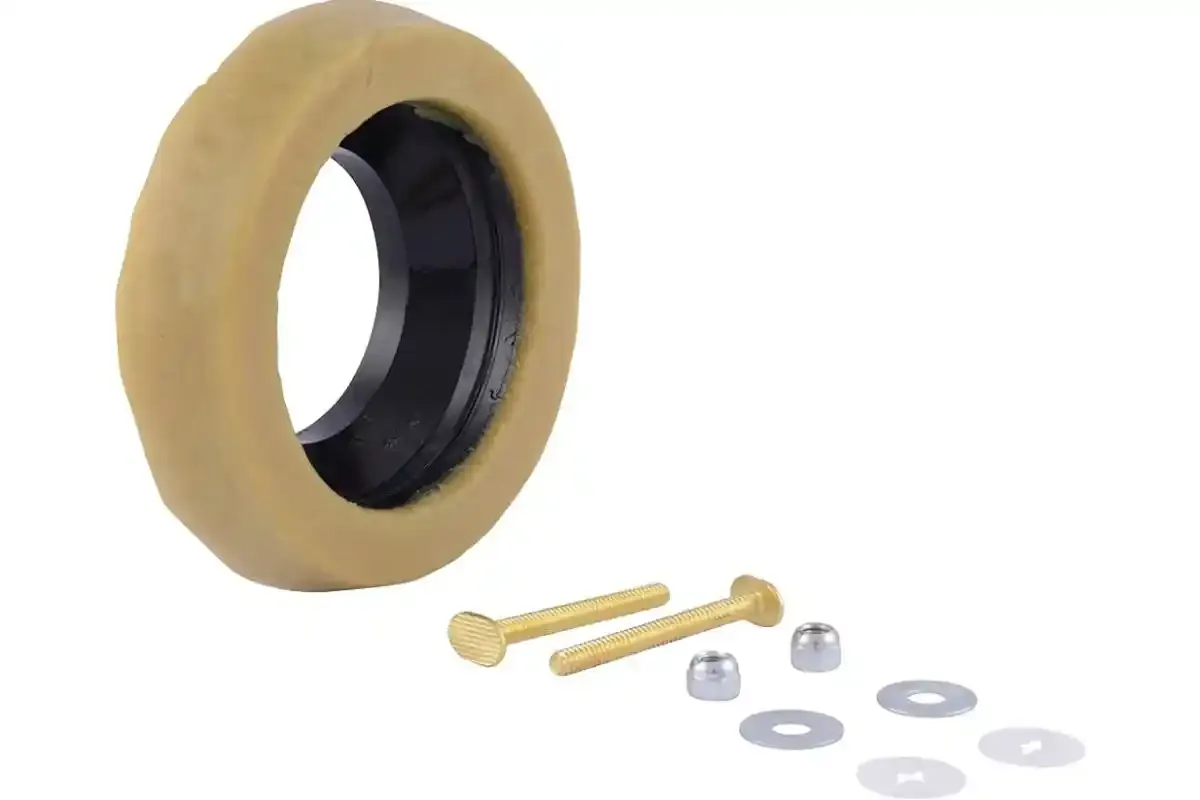
Once the flange is repaired, protect the floor while the toilet is set. Use a drop cloth, a new wax ring that suits the flange height and fresh closet bolts. Tighten the nuts evenly in small turns so the porcelain does not crack.
Derry notes for older bathrooms
Derry was incorporated in 1827, and the housing stock the state counts at 13,776 units includes homes from many eras. Older bathrooms are the ones most likely to have cast iron stacks and flanges.
Derry's code enforcement office at 603-432-6148 can say whether a permit applies if you replace part of a drain stack. Inspections need 24 hours' notice.
Sources: NH Employment Security ELMI community profile for Derry. derrynh.gov code enforcement.
Related towns
We make the same repairs in Londonderry and Hampstead, and the plumber carries rings and spacers for common cases.
Frequently asked questions
The flange may now sit below the new floor. A spacer ring or extension brings the seal height back.
It is not a good fix. A spacer or extension is better, because stacked rings can shift and leak.
A stainless ring screwed into sound subfloor is a durable repair. It cannot fix a rotted floor or a cracked drain.
Many flange repairs take about an hour. A rotted floor or a drain section adds time.
Some have cast iron or brass flanges that need compatible repair parts. The plumber matches them.
Toilet reset on a solid flange
Call for toilet repair in Derry.